Home › Pool Cage Rescreening
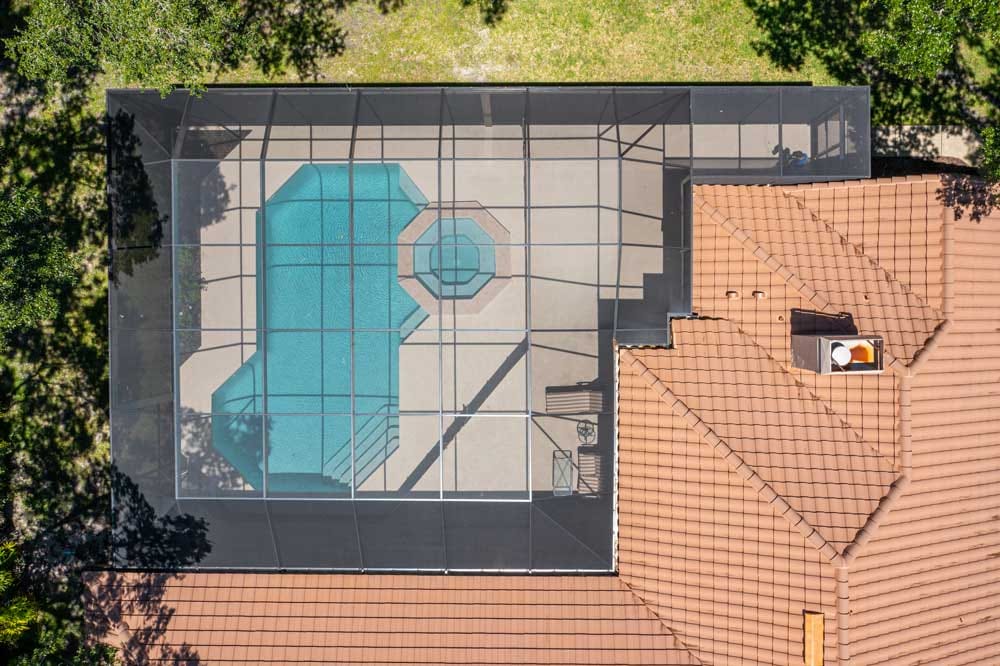
Venice Screening specializes in pool cage rescreen services in Venice, FL to refresh aging or damaged enclosures. We remove worn mesh and install new, high quality screen that improves appearance and performance. Our team works efficiently so your pool is usable again quickly. Protect your investment and restore your view with a complete pool cage rescreen today.
Venice Screening provides professional pool cage rescreen throughout Venice, FL, Florida and the surrounding area. Our licensed, insured crew delivers safe, clean, on-time work with a free estimate before anything begins. Call (941) 267-0048 or request your free quote.
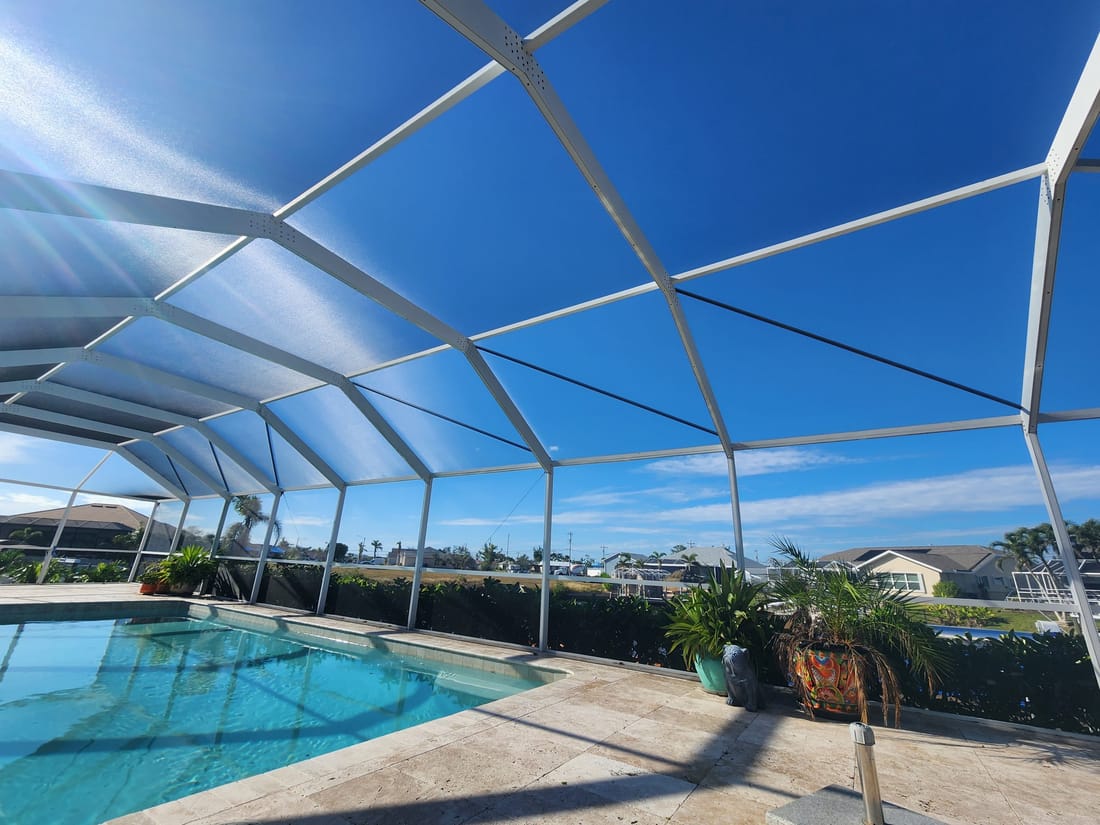
Pool cage rescreening for Venice, FL homes
Salt air, strong summer sun, and afternoon storms are tough on pool cage screens in Venice, FL. Over time, fabric gets brittle, seams loosen, and tiny tears turn into big openings that let mosquitoes and debris into your lanai. Venice Screening focuses specifically on pool cage rescreens in coastal Sarasota County, so we know how local conditions affect your enclosure and how to bring it back to like‑new performance.
When we rescreen a pool cage, we are not just stretching new fabric and moving on. We inspect every panel, spline channel, fastener, and door closer so you know exactly what is worn and what can be reused safely. You get clear recommendations, options that fit your budget, and a straightforward timeline so there are no surprises while your pool area is out of use.
If you are in Venice, South Venice, Nokomis, Osprey, or on the barrier islands, our crews are nearby and familiar with HOA guidelines and local building standards. That local knowledge matters when you need a rescreen that looks right, holds up in coastal weather, and passes any community visual rules.
Our step‑by‑step pool cage rescreen process
On a typical pool cage rescreen, Venice Screening starts with a visit to measure your enclosure and talk through how you use the space. We note panel sizes, door locations, roof style (gable, hip, or mansard), and any cage damage. You will see the difference between a simple fabric replacement and cases where structural repairs should be done at the same time.
Once scheduled, we begin by carefully removing the old screen panel by panel. We pull the spline (the rubber cord that holds the fabric in the aluminum tracks), roll up the old screen, and bag it for disposal so there are no scraps left around your pool deck. As the screen comes off, we can finally see the full condition of the aluminum framing, fasteners, and anchors.
Next, we clean the spline grooves and check for corrosion or damage. In coastal Venice, salt spray often pits the aluminum and can clog the track with powdery oxidation. If we reinstall new fabric into a dirty or corroded groove, it will not hold as long. We wire‑brush, blow out debris, and address minor surface issues. If we find bent members, loose base plates, or broken hardware, we photograph the problem and review repair options with you before moving on.
After prep, we stretch the new screening. For large roof sections, two or three technicians work together to tension the fabric evenly so it does not sag later. We install new spline sized correctly for your frame, then trim excess screen cleanly so the lines look sharp from your pool deck and from the street. Door screens and bug sweeps are replaced or adjusted so doors close smoothly.
Before we leave, we walk the entire cage with you. We look for tight panels, straight sight lines, and secure spline in every groove. Any small adjustments, such as re‑tensioning a corner or trimming a missed thread, are handled on the spot.
Screen material choices that hold up in coastal Florida
Venice Screening offers several screen types so your pool cage rescreen matches how you use your lanai and how close you are to the Gulf. Basic fiberglass screen works fine for many inland homes, but in Venice we often recommend upgraded fabrics that resist stretching and pet damage and that handle salt and wind better.
Standard 18/14 fiberglass screen is the familiar choice, with good airflow and visibility and the lowest cost per square foot. It is a solid option if you are rescreening on a budget or planning to sell soon. For customers near the Intracoastal or on the island, we often step up to 20/20 or no‑see‑um screen, which has tighter weave openings that keep out smaller insects that are common by the water.
For homeowners who have dogs that lean or jump on the screen, or kids who push toys against the walls, we can install pet‑resistant polyester or vinyl‑coated fabrics. These are thicker and heavier, so they require careful tensioning and sometimes new spline to seat properly. They cost more, but they save you from frequent panel repairs.
We can also combine materials on the same cage. For example, we might install no‑see‑um screen along the bottom 3 to 4 feet to block small bugs, with standard screen above to keep airflow and views more open. If you want a bit more shade on certain sides, we can recommend darker screens or solar options that cut glare on west‑facing lanais without making the whole cage feel closed in.
What affects pool cage rescreen cost in Venice, FL
Customers often ask why rescreen quotes for similar‑looking cages can be different. The cost of a pool cage rescreen from Venice Screening is based on several specific factors we measure on site, not a flat per‑cage number.
Size and height are major drivers. A one‑story enclosure with standard side walls and a simple roof pattern is faster to work on than a tall, two‑story cage or one over a raised deck. Tall roof sections require staging, harnesses, and more labor time, which increases the price. Complex roof designs with many small panels also take longer than wide, rectangular sections.
The material you choose influences cost as well. Standard fiberglass screen is the least expensive, while no‑see‑um and pet‑resistant fabrics are higher priced both in material and in labor, because they are thicker and more challenging to stretch correctly. If your cage needs new door hardware, bug sweeps, or replacement of rusted screws with stainless fasteners, we will list those items separately so you can see where your money is going.
Condition of the structure matters too. If your existing aluminum frame is solid, a straightforward rescreen is all you need. If we find loose base plates, cracked welds, or twisted members, you will have the option to repair those at the same time. Tackling small structural issues during a rescreen is usually more economical than waiting for a bigger failure after new screen is installed.
Finally, access affects labor. Cages with tight side yards, extensive landscaping hard against the frame, or limited gate openings can slow our work and sometimes require partial landscaping adjustments or creative staging. During your estimate, we explain how access plays into your price so there is no confusion.
Common screen problems we solve in coastal neighborhoods
Pool cages around Venice develop patterns of wear that we see again and again. By understanding what is normal for our climate, Venice Screening can recommend a rescreen schedule and material choices that prevent recurring problems.
Sun‑facing roof panels often fail first, especially on south and west exposures where UV is strongest. When we rescreen, we pay special attention to these sections, sometimes suggesting upgraded screen on the roof only, while keeping standard materials on shaded walls to balance cost and longevity.
In communities near the water, tiny midges and no‑see‑ums can slip through older 18/14 screen, which leads some homeowners to think the cage is failing even if there are no tears. In these cases we recommend converting at least the lower wall panels to a no‑see‑um mesh so you can enjoy evenings outside without constant biting insects.
We also see wind‑related issues after summer storms. Panels that were originally installed with the wrong spline size or poorly tensioned can pop loose. During a full cage rescreen, we correct these installation issues by matching spline to each specific channel width and making sure fabric is taut without overstretching. Where wind has bent a member or pulled fasteners from the slab, we offer repair options so the new screen is not stressed by a weakened frame.
If you have pets, children, or frequent guests, we can also address repeat damage points, such as the panel next to the pool steps or the wall near a frequently used seating area. Reinforced fabrics or a different panel layout in those zones can drastically cut down on future patch work.
Why choose Venice Screening for your pool cage rescreen
Working with a local Venice company means the people who rescreen your pool cage understand our specific coastal weather, HOA expectations, and the way older Florida cages were built. Venice Screening has rescreened enclosures across Venice, Nokomis, Osprey, and nearby communities, from 1990s homes with original frames to newer builds that simply need better insect control.
We schedule your rescreen to minimize downtime for your pool area. On most standard cages we can complete the work within one to two days, weather permitting. Our crews arrive with all materials on the truck so there is no mid‑job delay, and we keep your pool covered and walkways clear so you can still move around your property safely during the project.
Communication is a priority. You receive a written estimate that lists your chosen screen type, any hardware or structural repairs, and the expected start and finish dates. If weather interrupts the schedule, we update you promptly and reset the plan. At final walkthrough, we review maintenance tips, such as how to wash your new screen without loosening the spline, and how often to inspect high‑stress areas.
If your pool cage is showing sagging panels, torn corners, or faded and brittle fabric, a full rescreen is usually far more effective and attractive than patching a few spots each year. Venice Screening can evaluate your enclosure, explain your options in clear terms, and deliver a pool cage rescreen that looks clean, feels secure, and is ready for many more Florida seasons by the pool.