Home › HOA and Multifamily Screen Services
Venice Screening offers HOA and multifamily screen services in Venice, FL for condominium associations, apartments, and managed communities. We provide coordinated screen repair, rescreening, and new installations across multiple units and common areas. Our team works with property managers on schedules, standards, and budgets that fit your community. Set up a comprehensive screening service plan for your property today.
Venice Screening provides professional hoa screen services throughout Venice, FL, Florida and the surrounding area. Our licensed, insured crew delivers safe, clean, on-time work with a free estimate before anything begins. Call (941) 267-0048 or request your free quote.
HOA and multifamily screening, tailored to Venice communities
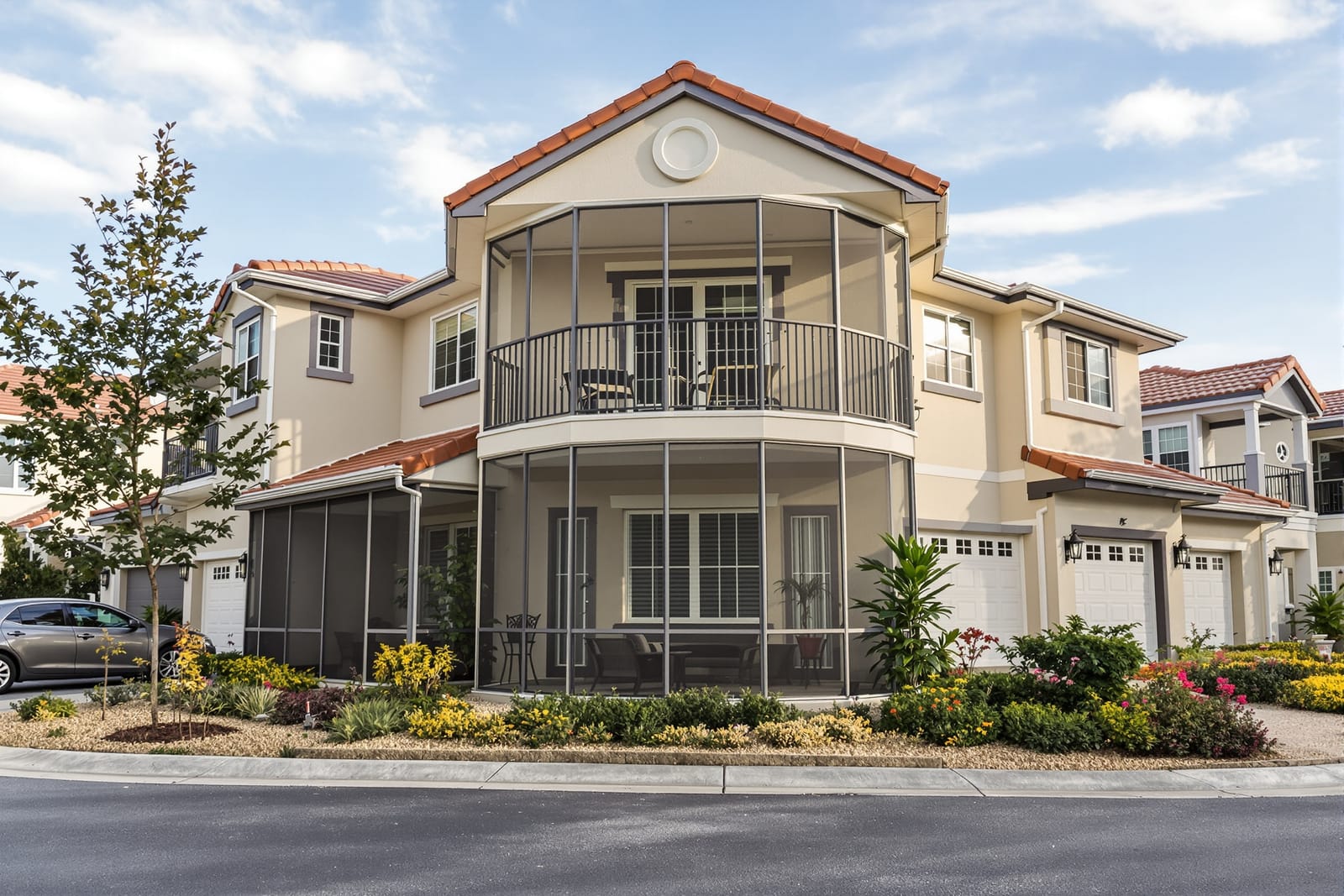
Venice Screening focuses on HOA and multifamily screen services for condos, townhomes, and apartment communities in Venice, FL. We understand that every property here, from 1970s Gulf-front buildings to newer gated subdivisions east of I-75, has its own rules, age-related issues, and budgets.
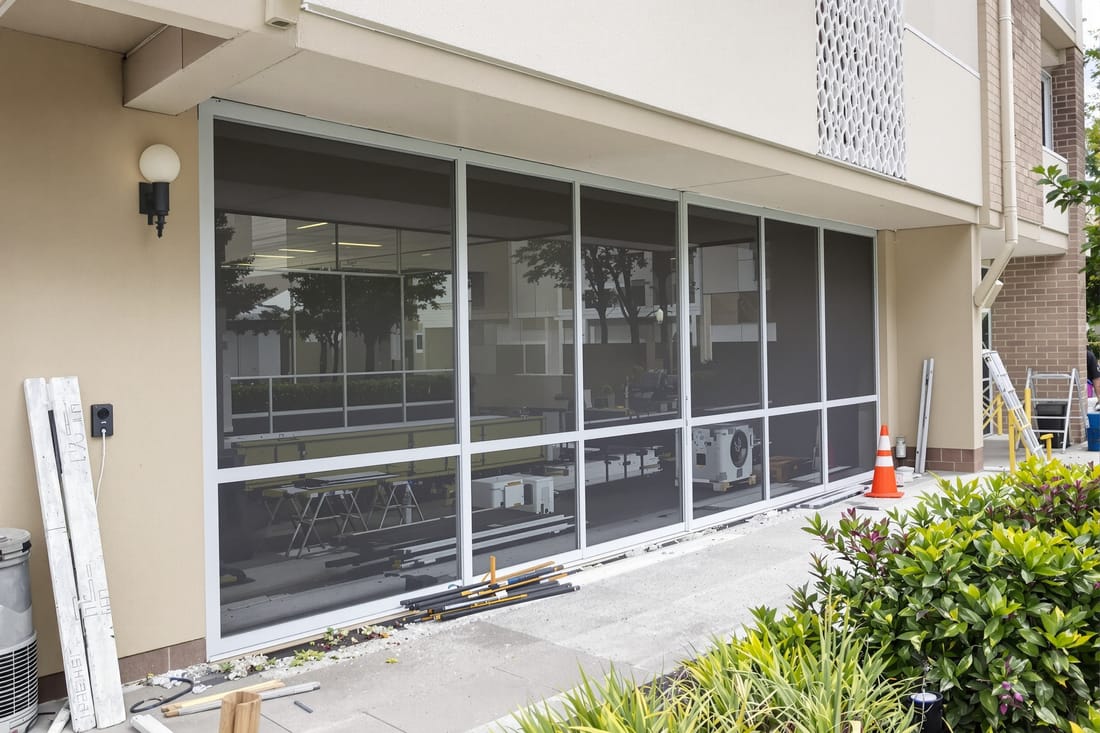
Instead of treating your property like a single-family home, we design screening plans that work at scale. That means reviewing your governing documents, talking with board members or the property manager, and walking each building and amenity area. We look at lanais, shared balconies, stairwells, breezeways, walkways, pool cages, and clubhouse enclosures. For each area, we note the existing framing, corrosion level, screen type, and access challenges.
Our goal is consistency plus durability. HOAs want a uniform look, and residents want screens that do not sag, tear, or rust in a year. We help you choose screen types and colors that comply with architectural standards while standing up to Venice sun, salt air, and summer storms. We also help boards build a phased maintenance plan so you can budget realistically instead of reacting to emergency repairs every season.
How our HOA screen services process works
For HOA and multifamily projects, Venice Screening follows a clear process so boards and managers know exactly what will happen and when.
1. Site meeting and rules review. We meet with your property manager, board representative, or building committee on site. We review any existing screening rules, approved colors, hurricane guidelines, and vendor requirements. We also talk about common complaints from residents, such as bugs getting in, pool debris, or rusty frames.
2. Detailed inspection and documentation. We walk each building and shared area, usually with management or a board member. We document panel sizes, screen conditions, frame corrosion, fastener type, and any structural concerns. For multifamily lanais, we often find a mix of screen materials and ages, so we note which units are priority because of safety or water intrusion.
3. Written scope and tiered options. Instead of a vague quote, Venice Screening presents a written scope that breaks work into logical sections, for example Building A lanais, common stairwells, pool enclosure, clubhouse. We include at least two material options when practical, such as standard insect screen versus upgrade to better view or pet-resistant mesh. This lets boards choose what fits their long-term plan and reserves.
4. Communication plan. For larger communities, we help create resident notices that explain when we will work on each building, what access we need, and how to prepare balconies or lanais. We coordinate with management to avoid pool closures on holidays and to work around high season when possible.
5. Scheduled work and quality checks. Our crews follow a building-by-building schedule so residents know when we will be on ladders outside their units. Supervisors inspect work daily, checking panel tension, spline installation, and alignment so your property keeps a uniform look.
6. Final walk-through and punch list. We walk the completed areas with management or the board. Any adjustments, such as tightening a panel or changing out a damaged fastener, are handled before we close the project. For larger properties, we can provide a simple screening map that shows what was replaced and when, which helps with future budgeting.
Screen materials and design options that work in Venice, FL
Venice Screening selects materials that hold up in our coastal climate, especially in communities west of US-41 that see stronger salt exposure.
Screen mesh options. Most HOAs choose between three main insect screen types. Standard fiberglass is the most economical and works well for upper-floor lanais and breezeways. Better-view mesh has thinner strands that preserve the Gulf or lake view while still blocking bugs and no-see-ums, which is useful for waterfront buildings. Pet-resistant or heavy-duty mesh is thicker and stronger, ideal for ground-floor lanais where dogs push against the screen.
Color choices. Bronze and charcoal are the most common colors in Venice multifamily buildings because they match existing frames and reduce glare. Some older communities still have white framing, which shows dirt and mildew more easily. We help boards decide whether to keep the existing look or plan a gradual shift to darker framing during future refurbishments.
Framing and fasteners. Many Venice condo buildings from the 1980s and 1990s have aluminum frames with steel screws that are now rusted. When we service these, we typically replace with stainless or coated fasteners to slow corrosion. For pool cages near the Intracoastal or on the island, we often recommend upgraded hardware and additional bracing where wind exposure is higher.
Design consistency. HOAs want a cohesive appearance. Venice Screening can standardize details like kick-plate height on lanais, screen type for stairwells, and door hardware across the property. We match existing frame profiles when possible so partial replacements do not look patchy. When exact matches are no longer made, we show samples and install small test sections so the board can approve before we proceed.
Accessibility and code considerations. For ground-level walkways and ADA-accessible routes, we make sure screen doors open the correct way and that thresholds do not create trip hazards. We also pay attention to egress requirements in multifamily buildings so any screened areas do not block emergency exits.
Common HOA and multifamily screening problems we solve
Older Venice properties and coastal exposure create predictable issues. Venice Screening addresses these with specific repair and replacement strategies.
Salt and corrosion. Buildings near Venice Beach, the jetty, or Roberts Bay often show wire-brush rust on screws and pitting on frames. Simply stretching new screen over corroded hardware is a short-term fix. We recommend replacing failing fasteners, cleaning frames, and sealing where appropriate. For severely corroded cage members, we can coordinate with structural aluminum specialists if full sections need to be replaced.
Inconsistent unit repairs. Many HOAs end up with a patchwork of different screen types because individual owners hired their own contractors. This looks uneven and can cause conflicts with architectural guidelines. We help boards reset the standard. After we complete a community-wide project, owners who need future repairs can be given a simple instruction sheet describing the approved mesh type and color.
Wind and storm damage. Summer storms in Venice can loosen spline, bow frames, and tear panels, especially on taller buildings exposed to direct gusts. During repairs or replacements, we use appropriate spline size, tension the screen correctly, and check attachment points around corners and doors. For vulnerable locations, boards sometimes choose a slightly heavier mesh to reduce the chance of blowouts.
Pest issues. No-see-ums and mosquitoes are a constant issue around stormwater ponds, canals, and marshy areas like those off Jacaranda Boulevard. If residents complain about bugs getting through, we can upgrade certain sides of the building or specific lanais to tighter weave mesh while leaving other areas with standard screen to control costs.
Drainage and mildew. On some older lanais, poorly installed screen panels trap moisture or block drainage gaps, which leads to mildew stains at the base. When we rescreen, we keep weep holes and drainage paths clear and advise managers if slopes or cracks in the slab are contributing to the issue. Addressing these details helps reduce repeated cleaning calls from owners.
Pricing, scheduling, and what boards should know before hiring
Board members and property managers need clear numbers and realistic timelines. Venice Screening provides detailed HOA screen services proposals so you can make informed decisions.
What drives the cost. The main factors are total square footage, access difficulty, existing frame condition, and material choice. Second and third floor units that require more ladder work or lift use cost more per panel than ground-floor lanais. Upgrading to better-view or pet-resistant mesh adds material cost, but often saves on frequent repairs. If frames and screws are badly corroded, more labor is required to remove old materials without damaging the structure.
Phasing and budgeting. Many Venice communities choose to phase work by building or by area. For example, year one might focus on pool enclosures and common walkways, year two on Building A and B lanais, and so on. We can price each phase separately so you can align projects with reserves and avoid special assessments where possible.
Access and resident coordination. HOAs should plan for interior access when lanais are screened from inside. We help management communicate timelines and entry windows to residents and provide clear instructions on clearing furniture away from screened walls. For exterior-only work on walkways, breezeways, and cages, residents usually do not need to be home, but we still post notices so everyone knows who is on the property.
Insurance and compliance. Venice Screening carries insurance appropriate for multifamily work. We can provide certificates listing the association as additional insured and meet most property management company requirements. If your documents require licensed contractors for exterior work, we provide license information and any other documentation needed for board approval.
Before you hire any screening company, ask for a multifamily-specific plan, not a one-line quote. You should see how they will stage the work, how they will match existing materials, and how they handle resident communication. Venice Screening is ready to walk your property, talk through concerns, and put together a practical, Venice-specific plan that fits your community.