Home › Lanai Screen Enclosures
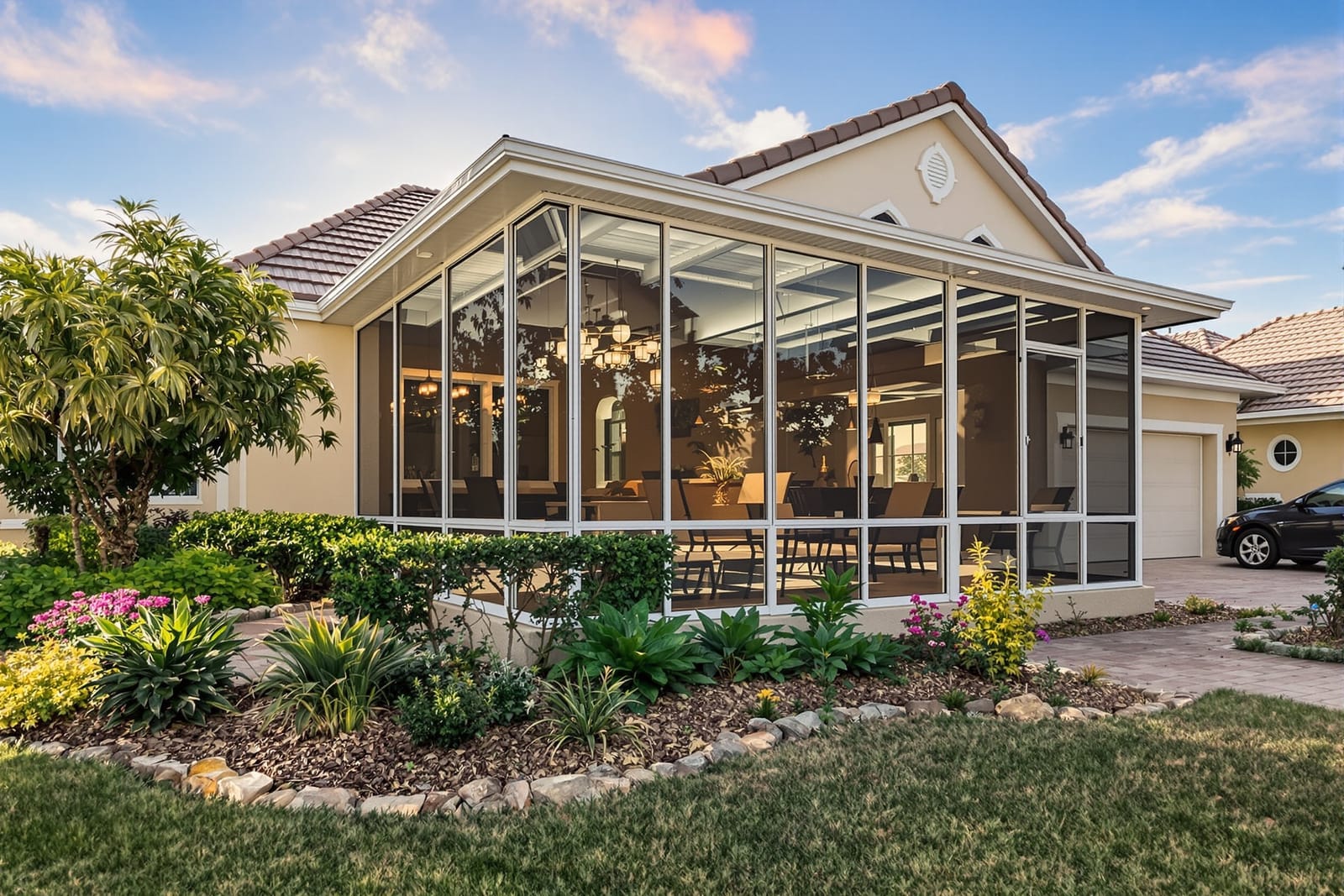
Venice Screening designs and installs lanai screen enclosures in Venice, FL that blend with your home and create a relaxing outdoor retreat. We build custom aluminum structures with quality screening that offers airflow while keeping pests out. From simple back porch enclosures to extended lanais, we tailor every project to your needs. Schedule a consultation to plan your new lanai enclosure.
Venice Screening provides professional lanai screen enclosure throughout Venice, FL, Florida and the surrounding area. Our licensed, insured crew delivers safe, clean, on-time work with a free estimate before anything begins. Call (941) 267-0048 or request your free quote.
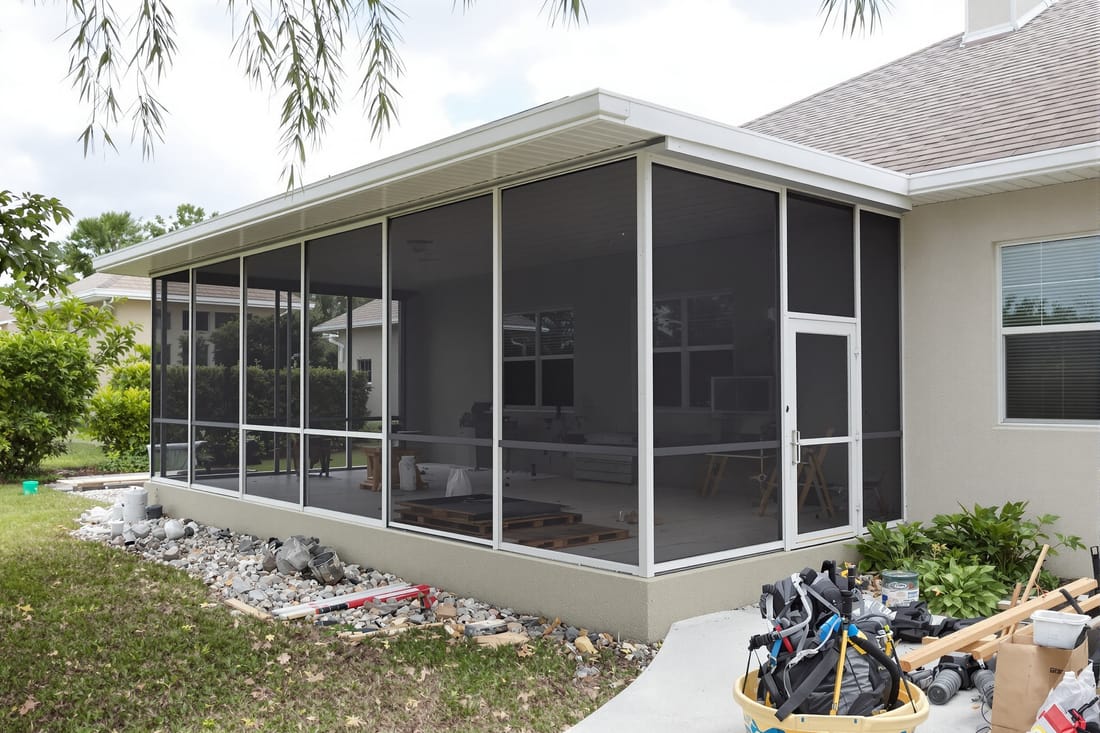
Lanai Screen Enclosures Built for Venice, FL Homes
A lanai screen enclosure is more than a simple cage around your patio. In Venice, FL, it is a weather, insect, and debris barrier designed around Gulf Coast conditions. Venice Screening focuses on enclosures that handle salt air, sudden summer storms, and intense UV without constant repairs. We look at how you use your lanai first, whether it is a quiet coffee area, a poolside hangout, or a full outdoor living room, then match the structure and screen type to that real use.
In this part of Sarasota County, the biggest complaints we hear from homeowners are no-see-ums getting through old screens, algae and mildew lines on frames, and panels tearing during one strong storm. Our lanai screen enclosures are planned so you are not calling for emergency fixes every few months. We plan panel layout to reduce wind load, specify screen material grade based on your yard exposure, and tie the structure into your slab and home correctly so it stays solid through rainy season.
Venice Screening is a local company, not a statewide generalist. That matters when it comes to knowing which fasteners corrode faster near the Intracoastal, how afternoon sea breezes hit certain neighborhoods, and when in the year to schedule new installations so concrete and sealants cure properly.
Our Step-by-Step Lanai Screen Enclosure Process
Every lanai screen enclosure from Venice Screening starts with a site visit at your Venice home. We measure the slab, soffits, gutters, and existing roof lines, and check for settling cracks or drainage issues that could affect the enclosure. We also look for irrigation overspray and roof runoff spots so we can plan where water will hit the screens and frame.
Next, we design the layout. That includes deciding post spacing, beam height, door locations, and whether you want a flat, studio, or gable style roof on the enclosure. We model sightlines from inside your home so posts do not block key views of your yard, lake, or golf course. If your property is in a deed restricted community, we review color and height rules so the design will pass association review.
Once you approve the design, we handle permit drawings and submission with the City of Venice or Sarasota County, depending on your address. Structural details such as footer size, anchor spacing, and beam dimensions are engineered to meet Florida Building Code for our wind zone. Only after permits are issued do we schedule material ordering and installation. On install day, our crew verifies dimensions again, snaps chalk lines, sets anchors into the existing concrete or new footers, then assembles the aluminum frame on site before stretching and spline setting each screen panel.
At completion, we walk the enclosure with you, checking door swings, hardware operation, screen tension, and seal points at the wall, slab, and roof connections. You get a written summary of materials used, screen types installed, and basic care instructions specific to your enclosure.
Material and Design Options for Your Lanai Screen Enclosure
The two main structural frame colors used in Venice lanai screen enclosures are white and bronze. White can brighten shaded areas and match lighter soffits, while bronze works well against tile roofs and mature landscaping. Venice Screening uses heavy gauge aluminum extrusions that are powder coated for extra corrosion resistance in our coastal climate. Where homes are within a couple of miles of the Gulf or Intracoastal, we upgrade fasteners to stainless or ceramic coated options to slow rust.
For the screens themselves, we offer several mesh types. Standard 18x14 fiberglass is common for budget friendly projects and general bug control. For homeowners bothered by no-see-ums, we recommend tighter 20x20 or 17x20 mesh that significantly reduces midges and sand flies, which are common around canals and retention ponds in Venice. If you have pets or kids who lean or push on the screens, we can specify a heavy duty or polyester core pet resistant mesh on lower panels or along doorways.
You can also choose structural add ons. Kickplate sections at the bottom help protect the screen from weed trimmers and provide privacy from neighboring yards. Integrated screen doors can be standard or oversized, and we often install self closing hinges and hardware that can be used easily by older residents. For larger lanais, we design picture window openings, which are wide spans of screen with minimal vertical supports, to capture views while still meeting wind code.
How Venice Climate Affects Timing and Construction
In Venice, the weather calendar matters when planning a lanai screen enclosure. Summer brings near daily afternoon storms, high humidity, and stronger winds, which can slow installation and affect cure times for sealants and concrete. When Venice Screening schedules projects, we look at upcoming rain patterns and try to handle concrete footers, slab repairs, or wall penetrations during drier windows so bonding is stronger.
The intense Florida sun also affects material performance. Darker bronze frames can reach higher temperatures, which makes screen tensioning technique important to avoid warping or rippling once everything cools at night. We train our team to stretch and spline screen panels with temperature swings in mind. This helps keep panels taut year round instead of sagging by the end of the first summer.
Salt in the air, especially in neighborhoods west of Tamiami Trail or closer to the Gulf, accelerates corrosion on cheap fasteners and connectors. That is why we are selective with hardware and avoid mixing incompatible metals. We also seal certain cuts and penetrations to reduce areas where saltwater can sit. These local details are easy to overlook if you simply copy a design from inland markets, but they make a real difference in long term durability here.
Cost Factors for a Lanai Screen Enclosure in Venice, FL
Lanai screen enclosure pricing is driven by size, height, material grade, and site conditions. A small ground level lanai that uses standard screen and has a simple roof line will cost less per square foot than a tall, wide enclosure with large picture windows or multiple doorways. Venice Screening provides itemized estimates so you can see how each choice affects price.
Screen type is a major cost driver. Upgrading from basic fiberglass mesh to no-see-um or pet resistant mesh adds material cost but may save on long term maintenance if you live near water or have active pets. Frame color, white or bronze, is usually similar in price, but heavier gauge aluminum or upgraded powder coat finishes will increase the budget while improving lifespan in coastal neighborhoods.
Site conditions impact labor. If we must correct drainage around the existing slab, adjust gutters, or cut and pin to a settling concrete deck, that additional work will be listed clearly. Homes in older Venice neighborhoods sometimes have nonstandard slab slopes or previous DIY enclosures that need partial removal. Those tasks affect timeline and cost, and we explain options before you commit.
Permitting and engineering are also line items. Because Venice is in a coastal wind zone, proper engineering is not optional, and designs must meet uplift and lateral load requirements. We include these code compliance costs up front so you are not surprised mid project.
Common Lanai Screen Issues and How We Prevent Them
Homeowners in Venice often call us after living with a problem enclosure for years. Common issues include door frames out of square that do not latch, screens that billow in moderate wind, staining that will not clean off, and loose fasteners in older concrete. Venice Screening addresses these failure points in our new builds.
We frame doors with proper header support and use quality hinges and latches, which helps prevent sagging and misalignment. During installation we square and level each door opening and test operation several times before finishing. To control screen billowing and tearing in storms, we plan panel sizes so they are not excessively large and adjust spline size and track depth to maintain secure tension.
For staining and mildew, we choose paint finishes and screen materials that resist algae growth, and we show you practical cleaning routines using mild detergents and soft brushes. In areas shaded by large oaks or on north facing walls where moisture lingers, we may recommend different mesh or frame colors that show less staining over time.
When tying into older slabs, we use specialized anchors and adhesives designed for aged or slightly cracked concrete. This helps prevent the enclosure from loosening as the slab moves mildly over the years. Our goal is not just a clean look on day one, but an enclosure that holds up through Venice storm seasons and daily coastal wear.
What to Know Before Hiring a Lanai Screen Enclosure Company
Before you sign with any contractor, confirm they are familiar with Venice and Sarasota County permitting for lanai screen enclosures and that they work to current Florida Building Code. Ask to see examples of completed projects in your area, not just stock photos. Venice Screening can point you to real installations in neighborhoods like South Venice, Venice Gardens, and along East Venice Avenue so you can see our work in person.
You should also ask what screen materials and hardware they plan to use and why. If the proposal does not specify mesh type, frame gauge, and fastener grade, you cannot fairly compare quotes. A low bid that uses light duty materials can end up costing more when panels start tearing or screws rust out in a few years.
Communication and follow up matter too. A lanai screen enclosure is attached to your home, so details like flashing at wall connections, sealing around existing gutters, and protecting landscaping during work make a difference in your day to day use. Venice Screening explains how long the job will take, what areas of your property will be accessed, and what you need to move or protect ahead of time.
If you are considering a new lanai screen enclosure or replacing an aging structure, contact Venice Screening for a site evaluation. We will walk your property, discuss real design options, review cost ranges for different materials, and provide a clear plan tailored to how you actually use your outdoor space in Venice.