Home › Patio and Lanai Screen Repair
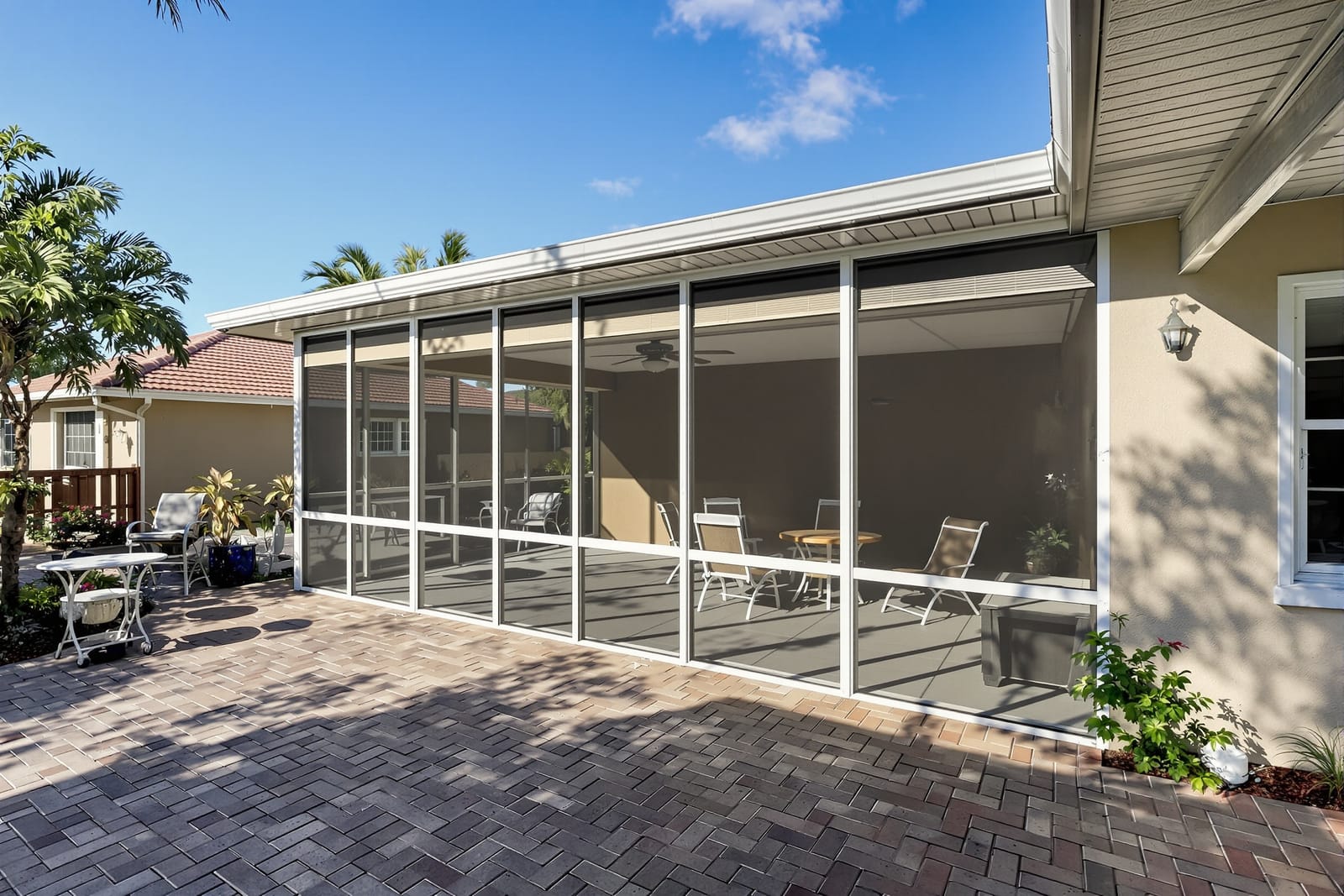
Venice Screening offers specialized patio and lanai screen repair in Venice, FL to keep your outdoor rooms looking sharp and bug free. We replace torn panels, tighten loose screens, and repair damaged framing or doors. Our technicians arrive with the right materials to handle most repairs on the spot. Restore comfort and curb appeal to your lanai or patio by booking your repair visit today.
Venice Screening provides professional lanai screen throughout Venice, FL, Florida and the surrounding area. Our licensed, insured crew delivers safe, clean, on-time work with a free estimate before anything begins. Call (941) 267-0048 or request your free quote.
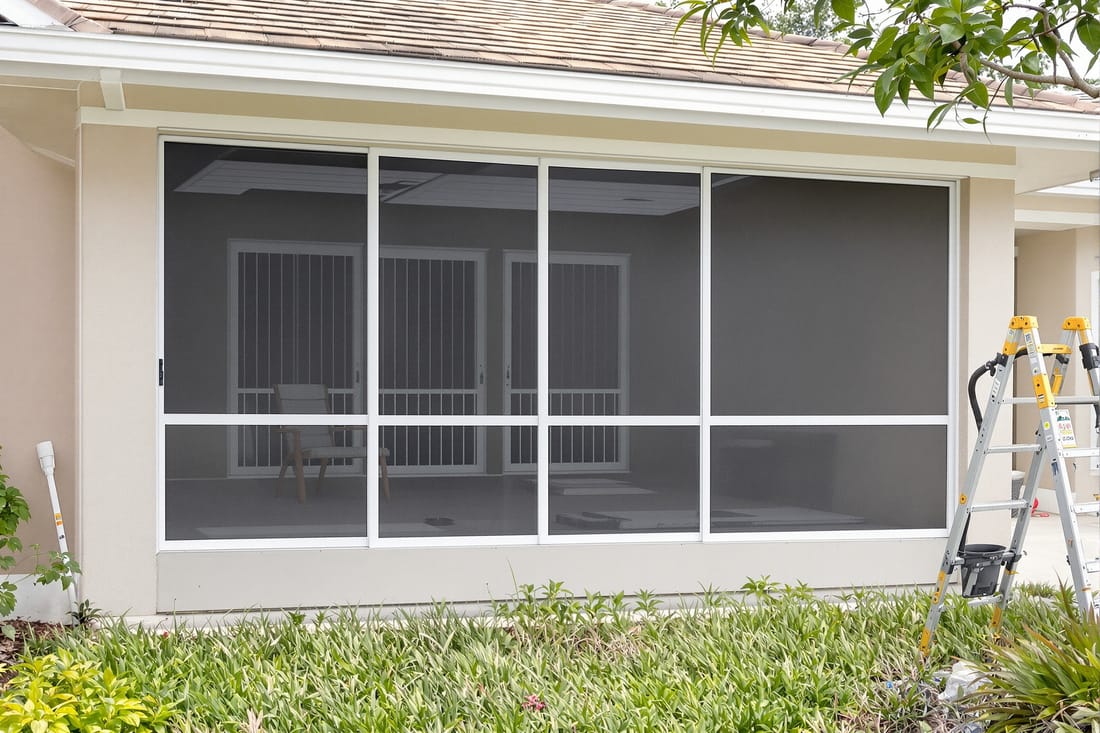
Patio & Lanai Screen Repair in Venice, FL
Humidity, salt air, and year-round sun are tough on patio and lanai screens in Venice. Venice Screening focuses specifically on screen work for coastal Florida, so we repair the damage you actually see here: torn panels from storms, brittle screen fabric cooked by the sun, popped spline from thermal expansion, and frames that have shifted on older lanais.
Our lanai screen service starts with a walk-through of your enclosure and patio area, not just the obvious tear. We look at each wall panel, the roof panels, door screens, and the kick plate area if you have one. Many customers call about a single hole and are surprised to find several panels already starting to fail. We point those out so you can decide whether to handle the problem panel by panel or refresh a larger section and avoid repeated service calls.
Venice Screening works on pool cages, ground-level patios, second-story balconies, and fully screened lanais. We are used to tight side yards and older concrete decks in Venice, so we bring ladders, walk boards, and specialty tools that let us reach high roof panels without damaging pavers, cool deck coatings, or landscaping. The goal is simple: restore insect protection and airflow while keeping the enclosure as open and clean-looking as possible.
How Lanai Screen Repair Actually Works
For most patio and lanai screen repairs in Venice, the basic process is similar, but the details matter.
1) Inspection and measuring: We first verify that the existing aluminum frames are sound. If the frame is twisted, pulled off the slab, or corroded through at the bottom, we explain that screen replacement alone will not hold. Once the frame checks out, we measure each panel that needs repair, including roof sections and doors, taking note of any out-of-square openings that will require careful stretching.
2) Screen removal: We use a spline roller and pick to pull the old spline out, then remove the damaged screen fabric. On older lanais, the spline may be hardened or painted in. We cut it out in sections to avoid bending the aluminum grooves. If there are old screen repairs or double layers where someone patched a hole in the past, we strip those so the new panel sits flat.
3) Frame preparation: Before installing new screen, we clean out the spline groove, remove loose paint or caulk, and address minor corrosion spots. On coastal-facing properties on the island side of Venice, we often see pitting at the bottom of vertical posts. If it is minor, we neutralize loose oxidation and seal it to slow future damage. Structural corrosion is pointed out so you can plan for enclosure repair or replacement.
4) Installing new screen: We roll out the selected screen material slightly oversized, then use a screen roller to set new spline around the perimeter. The amount of tension is critical. Too loose and the panel will sag, too tight and the frame can bow or the spline can pop in the next heat wave. For roof panels, we work from walk boards or ladders and pull tension in a pattern that reduces wrinkles when the panel is viewed from below.
5) Trimming and cleanup: Once the panel is tight, we trim excess screen flush with a sharp blade, check the edges for any gaps that bugs could find, and re-check door swing and hardware clearances. We collect all old screen material, spline, and hardware so nothing is left in your yard, pool, or landscape beds.
This step-by-step approach avoids the common problems of wavy panels, loose corners, and doors that start rubbing right after a repair.
Screen Material Options for Venice Patios and Lanais
Not every lanai screen is the same. Venice Screening brings sample materials to your home so you can see and feel the differences before committing to a repair.
Standard fiberglass insect screen is the most common choice for patios. It offers good airflow and visibility and is budget friendly. For inland Venice neighborhoods that are somewhat shielded from direct coastal winds, standard fiberglass works well and usually lasts many years if trees are trimmed back.
For customers closer to the Gulf or on open lake or canal lots where wind and salt are stronger, we often recommend a heavier 20x20 mesh or an upgraded polyester screen that resists stretching and tears. It costs more than standard fiberglass, but it is less likely to bag out or pull free under gusty conditions.
If you have pets, we can install a pet-resistant screen in the lower panels or door sections of your lanai. This material is thicker and more impact resistant, useful where dogs scratch to be let in or out. Many Venice homeowners combine pet-resistant screen at the bottom with a standard or visibility-focused screen at eye level so they get strength where they need it without darkening the entire enclosure.
For customers who want less heat and glare in the late afternoon, we offer solar screen options. These reduce the amount of direct sun that hits your patio and interior rooms, which can help with comfort and fading. We explain the tradeoffs clearly, since solar screens cut more light and can slightly reduce air flow. On some Venice lanais that face west over the Intracoastal or a golf course, a partial solar setup on only the sunniest wall is a good balance.
We also pay attention to color. Most Venice enclosures use charcoal screen in white or bronze frames, but other combinations exist. Matching the existing look matters for HOA compliance and for resale. We keep notes on what we install so future repairs can be matched closely.
What Affects the Cost of Lanai Screen Repair
Venice Screening prices lanai screen work by a combination of panel size, height, material choice, and access difficulty, not by vague flat rates. This lets you see where your money is going.
Panel size and height are the biggest factors. A small wall panel at ground level is much quicker to repair than a large roof panel over a pool that requires tall ladders and walk boards. Higher panels also require more time for careful tensioning, especially on older frames that have some flex.
Material choice impacts cost as well. Standard fiberglass is the least expensive, while pet-resistant, polyester, and solar screens are more. For many Venice homeowners, we can offer a mixed approach, for example, upgrading only the lower panels where damage is more likely and keeping standard screen up high to control cost.
Condition of the frame also plays a role. If the aluminum is in good shape, repairs are straightforward. If we find corrosion at the base of posts, loose fasteners, or panels that have been previously repaired poorly, we may need extra time to clean and prep the area so the new screen will actually stay in place. We will tell you up front if a frame section is too far gone for a simple screen repair and give you a realistic idea of what will be needed in the future.
Access is another cost factor. Tight side yards, steep drop-offs behind the cage, or nearby roofs can require special ladders or multi-person setups. In Venice, we frequently see cages built within a foot or two of the property line; working in that narrow space takes longer, though we do our best to minimize time and disturbance.
Finally, the scope of work matters. Doing a full side wall or roof section in one visit is often more cost effective than calling us out a few times over the year as individual panels fail. We will price both options so you can decide what works best for your budget.
Local Considerations in Venice, FL
Venice neighborhoods each have their own quirks that affect patio and lanai screen repair. Some communities near Jacaranda, Plantation, or in HOA-governed developments have rules about screen color, frame finish, and visible patterns. Venice Screening is used to working within these guidelines. We can usually match your existing look closely enough to keep the architectural review committee satisfied.
Most simple screen repairs on existing patio and lanai enclosures in Venice do not require city permits because we are not changing the structure, only the screen fabric. If we identify structural issues, such as a cage that has pulled loose from the slab or has broken uprights, that crosses into structural work. In those cases, we discuss whether an engineered repair or replacement is needed, and permits may come into play.
Wind and storm exposure is another local factor. The afternoon storms that roll through Sarasota County, along with the occasional tropical system, put real pressure on your lanai. When we repair or rescreen, we look at how your panels are oriented to the usual wind direction and may suggest heavier screen in the most exposed sections. This can reduce the chance of blowouts on the next big gust.
We also pay attention to drainage and landscape around the cage. Mulch piled high against the base of the enclosure, clogged deck drains, or sprinkler heads hitting the same spot every day will speed up corrosion and screen deterioration. During your lanai screen appointment we point out these issues and offer simple adjustments, like lowering mulch or redirecting sprinkler heads, that can extend the life of both your screen and frame.
Because Venice has a large seasonal population, we often schedule work before you leave or just before you return. If you are away, we can coordinate with a local caretaker or neighbor and keep you updated with photos so you know exactly what was done to your lanai.
When to Repair vs Replace Your Lanai Screen
Not every lanai needs a full rescreen. Venice Screening helps you decide if spot repairs will solve your problem or if a more complete approach makes sense.
Repair is usually the right choice when you have a few localized tears, an isolated pet claw area, or a panel or two that popped loose in a storm while the rest of the screen still looks tight and has good color. Spot repairs are also a good option if you plan to sell your home soon and just need the lanai to look clean and functional.
Partial rescreening may be better if you have several panels on the sunniest or windiest side that are going white or brittle. Once we see widespread UV damage, more holes are likely. Doing a whole wall at once creates a uniform look and eliminates repeated call-backs for the same area.
A full lanai rescreen is worth considering when most panels are faded, sagging, or have multiple patched spots, especially in older Venice homes built before the big construction boom. At that point, labor to keep chasing small issues starts to approach the cost of doing everything at once. A complete rescreen lets you upgrade to better materials and tighten every panel consistently.
We also evaluate whether the aluminum frame itself is worth investing in. If the screen grooves are deformed, the corners are separating, or the cage has shifted significantly, we may advise holding off on a full rescreen until the structural issues are addressed. Putting new screen on a failing frame usually leads to disappointment and wasted money.
During your estimate, Venice Screening walks you through these options with real numbers. You see the cost difference between repairing a handful of panels, rescreening a section, or doing the entire enclosure. That way, you can choose an approach that matches how long you plan to keep the home and how you use your patio or lanai.